
.jpg)
Univista: International Journal of Research and Studies- Univista: International Journal of Research and Studies is a peer-reviewed, multidisciplinary journal committed to advancing knowledge across diverse fields of study. The journal provides a platform for scholars, researchers, and practitioners from around the world to share innovative research, critical analyses, and evidence-based insights. By embracing a broad spectrum of disciplines, UIJRS encourages dialogue and collaboration that transcend traditional academic boundaries, encouraging holistic and integrative approaches to research.
The journal publishes original research articles, research papers, review papers, and case studies that contribute to the understanding of complex global, social, and scientific challenges. Emphasizing both conceptual and applied research, UIJRS seeks to bridge the gap between theory and practice, promoting knowledge that is both academically rigorous and socially relevant.
UIJRS is dedicated to upholding the highest standards of academic integrity and ethical scholarship. All submissions undergo a thorough peer-review process to ensure originality, methodological soundness, and contribution to the field. The journal values diversity of thought and perspective, welcoming contributions from researchers at all career stages, from early-career scholars to established experts.
As an international platform, UIJRS encourages cross-cultural and interdisciplinary collaboration, recognizing that complex problems often require solutions that draw on multiple fields of expertise. By publishing high-quality research that spans disciplines, regions, and methodologies, Univista: International Journal of Research & Studies aims to inspire innovation, promote critical thinking, and advance global knowledge.
Additional Information :
• Medium: Online Only
• Subject Focus: Multidisciplinary
• Language: English
• Frequency: Quarterly
UIJRS welcomes submissions in the following formats: research articles, research papers, review papers, and case studies. Authors are requested to adhere to the following word limits for each submission type:
Research Articles / Research Papers:
• Word Limit: 7,000 to 9,000 words, inclusive of footnotes.
• Submissions should present original, in-depth research with significant scholarly contribution.
Review Papers:
• Word Limit: 2,000 to 3,000 words, inclusive of footnote
• Reviews should critically evaluate current literature and highlight developments or gaps in the field
Case Studies:
• Word Limit: 1,500 to 2,500 words, excluding footnotes.
• Case studies should provide detailed analysis, practical insights, and implications for research or practice.
All submissions should follow academic standards for formatting, citations, and ethical research practices. Authors are encouraged to ensure originality, clarity, and relevance to multidisciplinary research.
• File Format:Submit your manuscript in Microsoft Word format (.doc or .docx preferred).
• Main Title: Centered, bold, full capitals, 14-point font, Times New Roman.
• Author Details: Below the title, include author(s) name(s), designation(s), and institution(s). Capitalize Each Word, bold, 12-point Times New Roman, centered.
• Main Text: Times New Roman, 12-point font, 1.5 line spacing, justified alignment.
• Subtitles: Bold, sentence case, 12-point font, Times New Roman, left aligned.
• Footnotes: Times New Roman, 10-point font, single spacing.
• Citation Style: APA Citation Style
• Plagiarism: Similarity index must be below 10%.
Submission Email:
Manuscripts must be submitted via email to : univista.journal@kalingauniversity.ac.in
File Naming Convention:
The manuscript file should be named using the Author’s Full Name followed by the Title of the Paper.

Originality and Exclusivity: Submissions must be the original, unpublished work of the author(s) and should not be under consideration elsewhere. Any manuscript found to contain plagiarized material or infringing copyright laws will be immediately disqualified from publication.
Copyright and Licensing: By submitting their manuscript to the Kalinga Journal of Law and Interdisciplinary Studies, the author(s) grant exclusive copyright to Kalinga University. The University reserves the right to publish, reproduce, and distribute the content in any format or medium, in full or in part, with due credit to the author(s), and in accordance with the provisions of fair use under the Copyright Act.
Editorial Discretion: The editorial team reserves the right to make editorial changes to submissions for clarity, formatting, and language—either partially or fully—without requiring prior approval or further notice to the author(s), while ensuring the core content remains intact.
Peer Review Process: All submissions that clear the preliminary editorial screening will undergo a double-blind peer review, ensuring anonymity of both the author(s) and reviewers. Final decisions regarding publication will be based on the recommendations received through this rigorous review process.
| Sub-themes | Sub-themes |
|---|---|
| 1. Sustainability and Development | 2. Technology and Society |
|
• Climate change adaptation and mitigation • Renewable energy and green technologies • Sustainable urban planning and smart cities • Environmental policy and governance • Circular economy and waste management |
|
|
• Digital transformation and smart technologies • Internet of Things (IoT) and society • Ethical issues in emerging technologies • Social media impact on communities • Human-computer interaction |
| 3. Health, Well-being, and Society | 4. Law, Policy, and Governance |
|---|---|
|
• Public health policy and management • Mental health and psychosocial well-being • Health equity and access to healthcare • Nutrition and lifestyle interventions • Pandemic preparedness and response |
|
| • Constitutional and human rights law • Regulatory frameworks for technology • Public policy and governance reforms • International law and cross-border policy issues • Anti-corruption and transparency measures |
| 5. Education, Innovation, and Learning | 6. Business, Economics, and Entrepreneurship |
|---|---|
|
• E-learning and digital education • Pedagogical innovations and teaching strategies • Education policy and reform • Lifelong learning and skill development • STEM education and interdisciplinary learning |
|
| • Global economic trends and policy • Startups and entrepreneurship ecosystems • Corporate social responsibility • Digital economy and fintech innovations • Sustainable business models |
| 7. Media, Culture, and Communication | 8. Gender, Equity, and Inclusion |
|---|---|
|
• Media ethics and freedom of expression • Cultural heritage and preservation • Digital storytelling and multimedia communication • Social media and public opinion • Social media and public opinion |
|
|
• Women’s empowerment and leadership • Intersectionality and social justice • Gender-based violence prevention strategies • Workplace diversity and equality |
| 9. Science, Research, and Innovation | 10. Artificial Intelligence and Human Interaction |
|---|---|
|
• Interdisciplinary scientific research • Emerging technologies and innovation • Research ethics and reproducibility • Scientific communication and outreach • Collaborations in global research networks |
|
|
• AI ethics and societal impact • Human-AI collaboration in workplaces • AI in healthcare, education, and governance • Natural language processing and social applications • AI policy and regulation |
| 11. Arts, Humanities, and Social Change | 12. Rural and Urban Development |
|---|---|
|
• Literature, visual arts, and cultural critique • Philosophy and ethics in contemporary society • Performing arts and social activism • Historical perspectives on social change • Cultural narratives and identity formation |
|
|
• Rural livelihoods and sustainable development • Urbanization and smart city planning • Infrastructure and transportation challenges • Community engagement and participatory planning • Rural-urban migration and social impact |
| 13. Globalization and Cross-Cultural Perspectives | 14. Security, Conflict, and Peace Studies |
|---|---|
|
• Cross-cultural communication and diplomacy • Global trade and economic interdependence • Migration and transnational communities • Cultural hybridization and identity • Global governance and international cooperation |
|
|
• Conflict resolution and peacebuilding • Cybersecurity and digital threats • International security and defense policies • Humanitarian interventions and disaster response • Community resilience and post-conflict reconstruction |
| 15. Technology in Agriculture and Food Security |
|---|
|
• Precision agriculture and smart farming • Sustainable crop management • Agricultural policy and rural development • Food supply chains and logistics • Agri-tech innovations and biotechnology |
|
• Rural livelihoods and sustainable development • Urbanization and smart city planning • Infrastructure and transportation challenges • Community engagement and participatory planning • Rural-urban migration and social impact |
Note: The above sub-themes are illustrative. UIJRS welcomes papers on other topics related to the main themes and encourages interdisciplinary, innovative, and emerging research.
(January – March 2026)
Praveen Kumar Yadaw, Mohammad Arsh Khan, Manoj Kumar Nigam
Page range: 1-10 |
Download PDF
(January – March 2026)
Sweta Srivastav1 and Dr. Deepti Patnaik
Page range: 11-21 |
Download PDF
(January – March 2026)
Niyitanga gilbert beco
Page range: 22-33|
Download PDF
(January – March 2026)
Vijayalaxmi Biradar1, Sarat Chandra Mohanty2
Page range: 34-39 |
Download PDF
(January – March 2026)
Vijayalaxmi Biradar1, Sarat Chandra Mohanty2
Page range: 40-45 |
Download PDF
(January – March 2026)
Priyanshu Mahanti1, Shailesh Singh Thakur2
Page range: 46-56 |
Download PDF
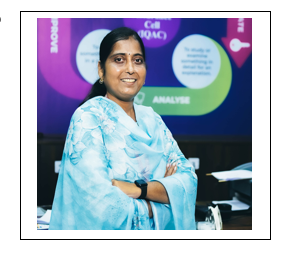
Dr. Vijayalaxmi Biradar stands out as a visionary leader & as a highly accomplished academician in the field of Electronics and Communication Engineering, currently serving as Professor and Director of IQAC at Kalinga University, Raipur. With a Ph.D. from GITAM University and over two decades of experience, she has significantly contributed to education, research, and institutional quality enhancement. A Senior IEEE Member, she holds prestigious roles including Secretary and Chairperson of IEEE WIE AG Madhya Pradesh Section and Program Co-Chair of the IEEE Women in Engineering International Leadership Conference 2025 in San Jose, USA. Dr. Biradar has authored over 60 above research papers, guided multiple Ph.D. students, published 7 patents, and secured research and consultancy projects worth over ₹1 crore. Her accolades include the 2024 IEEE WIE Inspiring Member Award (Honorable Mention), R10 WIE Outstanding Professional Volunteer Award 2024, and “Women Leadership in STEM” recognition by BIRAC and WomenLift Health. As an IEEE STEM Champion and NAAC Assessor for the Government of India, she has mentored several HEIs to achieve NBA/NAAC accreditations and A+ grades, while actively promoting STEM education, innovation, and women empowerment across India and globally. She is also recognized for her expertise in establishing Centers of Excellence (CoEs) and advancing STEM education through innovative programs, collaborations, and capacity-building initiatives that foster technological and educational development.
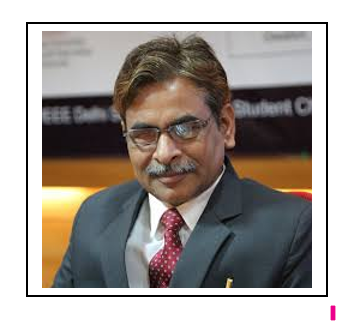
G.S. Tomar sir is IEEE Senior Member, Fellow IETE and IE (I) member ACM (USA), CSI and ISTE, Chairman, IETE Gwalior and IEEE MP Subsection. Dr. Tomar is an accomplished academician and researcher with extensive leadership experience in premier engineering institutions. He holds a Post-Doctoral Fellowship in Computer Engineering from the University of Kent, UK, and has served as faculty and director at multiple reputed institutes, including University of Kent, University of West Indies, Birla Institute Bhimtal, and others. With a 17-year tenure in the Indian Air Force, Dr. Tomar transitioned to academia in 2001 and has since been deeply involved in IEEE activities, organizing over 10 international conferences globally. He is a Visiting Professor at several reputed universities, including Hannam University, Korea, and Thapar University, India. Dr. Tomar has received the International Pluto Award for Academic Excellence (2009) and has been listed among the top 100 academicians worldwide. He is chief editor of five international journals, has published over 100 research papers, and authored five books, including two Springer Verlag publications. His research expertise lies in Air Interface and Advanced Communication Networks, with a strong focus on consultancy and innovation in these domains.
Celia Shahnaz, SMIEEE, Fellow IEB, received Ph.D. degree from Concordia University, Canada and is currently a professor at, Department of EEE, BUET, Bangladesh since 2015. She was the winner of Canadian Common Scholarship for pursuing her Ph.D study in Canada and recipient of Bangladesh Academy of Science Gold Medal for her contributions in science and technology. The World Academy of Science (TWAS) members have elected her as a Fellow of TWAS for the advancement of science in developing countries, effective 1 January 2023. Recently, her nomination has been approved and she has been inducted into IEEE-Eta Kappa Nu as a Professional Member into the Eta Chapter of the Board of Governors. She has been elected as 2022 IEEE WIE Committee Chair-Elect and she is serving as the 2023-2024 IEEE WIE Committee Chair. She has been appointed as 2024, Division V Representative, IEEE TAB Award and Recognition Committee , 2024 Member, IEEE Fourier Award for Signal Processing Committee , 2024 IEEE Computer society Awards Chair, 2024 Member, IEEE CS Election Committee, 2024 Member, IEEE Fourier Award for Signal Processing Committee, 2022-23 Member, IEEE New Initiative Committee, 2021-24 Member, IEEE History Committee, Liaison between IEEE History Committee and IEEE WIE, 2023 Corresponding member, IEEE BOD Ad-Hoc: Coordinating IEEE’s Response to Multimedia-Based Digital Reality Technologies, 2023 Member, the future of the IEEE WIE ILC Adhoc. She has served as 2021-22 Chair, IEEE SPS Women in Signal Processing, 2021-22 Liaison between IEEE SPS and IEEE WIE, 2021-22 Member, IEEE Educational Activities Board Faculty Resource Committee, 2022 Member, IEEE WIE Strategic planning Committee, 2021 Chair, IEEE WIE History Subcommittee, 2020-21 Member, IEEE WIE Senior Member Elevation Drive and 2019-2022 Member, IEEE WIE WePower Subcommittee. She has served as an Editorial board member, IET Signal Processing From 2018 to date. She is the immediate past Chair, IEEE Bangladesh Section, Co-founder & Chair, IEEE EMBS, IAS, RAS, SSIT Bangladesh Chapters, Co-founder & Vice-Chair, IEEE SPS Bangladesh Chapter, Founder and Advisor, WIE AG, and founder and Chair of SIGHT group FLASH, IEEE Bangladesh Section. She is the recipient of the 2021 IEEE MGA Achievement Award, 2021 Inspiring Women in Academia Award from Bangladesh brand forum, 2019 R10 Humanitarian Activities Outstanding Volunteer Award, 2016 MGA Leadership Award 2015 WIE Inspiring Member Award, 2013 R10 WIE Professional Volunteer Award. She has more than 24 years of experience (24 years as an IEEE volunteer) in leading impactful Technical, Professional, Educational, Industrial, Women Empowerment, Humanitarian Technology, Power and Energy-related Projects at national/international levels.
-Celia-Shahnaz.png)
Dr. Tanushree Chatterjee is a distinguished leader in biotechnology with over 30 years of post-Ph.D. experience. Currently serving as Dean and Head of the Department of Biotechnology at Raipur Institute of Technology (RITEE), she holds a Ph.D. from the University of Allahabad and completed her postdoctoral fellowship at CSIR, New Delhi. Dr. Chatterjee has made significant contributions in biotechnology, environmental science, bioinformatics, and biomedical engineering, authoring over 70 research papers and guiding multiple Ph.D. students.
She has worked as a consultant for three mining sites of GMDC in Gujarat and collaborated with Germany’s Rostock University and FAU University. Additionally, she has successfully led numerous research projects funded by CSIR, DST, MODROB, MOEF, and TEQIP, serving as both principal and co-principal investigator. Her extensive academic, research, and consultancy experience highlights her commitment to advancing biotechnology education and sustainable development. She is also a recipient of Global Awards for Excellence in Research in 2019 and 2020.
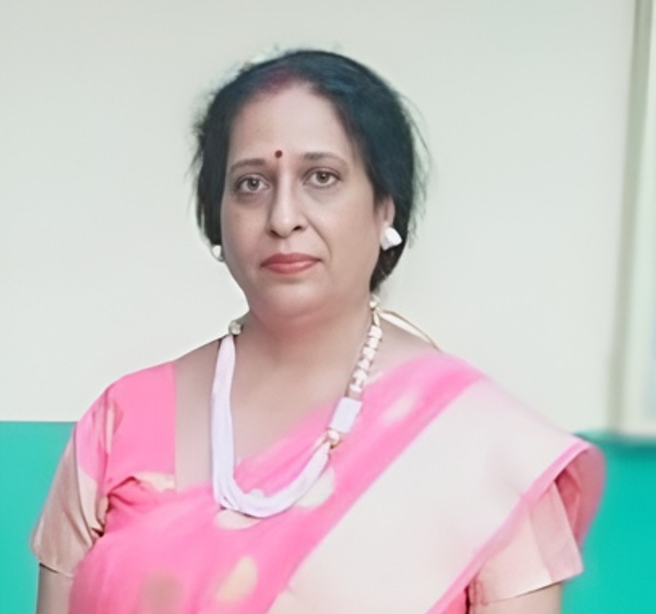
Prof. Ir. Dr. Zuhaina Zakaria is a distinguished academic and engineer at Universiti Teknologi MARA (UiTM), Malaysia, known for her expertise in Electrical Engineering, significant roles like Dean of Institute Graduate Studies (IPSis), and contributions to power systems research, particularly focusing on photovoltaic integration & load profiling, holding multiple professional engineering certifications and driving UiTM's postgraduate development.
Role at UiTM: Formerly the Dean of the Institute of Graduate Studies (IPSis) at UiTM, managing postgraduate programs. Academic Background: Holds a Bachelor's in Electrical Engineering from UiTM. Expertise: Specializes in Electrical Engineering, focusing on power systems, fuzzy logic applications, and photovoltaic (SPV) integration into power grids. Professional Affiliations: A registered Professional Engineer (PE), Member of the Institution of Engineers Malaysia (MIEM), Chartered Engineer (CEng), and holds several international engineering credentials (APEC Engineer, ASEAN Eng.). Research Focus: Develops advanced algorithms (like FIPA in Python) to handle uncertainties in renewable energy (SPV) and improve grid stability and planning. In essence, she's a highly qualified engineer and educator deeply involved in advancing research and postgraduate education at Malaysia's leading technology university.
Thittaporn Ganokratanaa is a University Lecturer in Applied Computer Science Programme at King Mongkut’s University of Technology Thonburi, Bangkok, Thailand. She is the IEEE Region 10 Student Activities Committee (IEEE R10 SAC) and IEEE Member and Geographic Activities (MGA) SAC Awards Committee. Her research interests include anomaly detection, image and video analysis, and human-computer interaction.
• Assistive Technology for the Aged & Disabled & Rehabilitation (Smart Healthcare)
• Creative and Learning Society (Strategic Research Themes)
• Digital Transformation (Strategic Research Themes)
• Information Technology (Digital Transformation)
• Intelligent Transportation System (Sustainable Mobility)
• Robotics & Automation (Medical Diagnostics)
• Smart Healthcare (Strategic Research Themes)

Prof. Mohammad Nasir is a senior library & Information science academician at Kalinga University (Naya Raipur, Chhattisgarh), where he serves as Professor and University Librarian (HoD, Dept. of Library & Information Science). He holds a Ph.D. in Library Science and has over 17 years of experience in academic librarianship. His research interests include digital resource management, library automation, information literacy and scholarly communication reflecting his dedication to enhancing access to knowledge and research support
Dr. Nasir has authored several textbooks, and research works in library science. Notable books include: Information technology in Library and Information Science: concepts, applications and Innovations (2025), Research Methods in Library and Information Science: a systematic approach (2025), Information Media and Library Science (2012), Library Classification and Automation, Cataloguing and Indexing in Library Science and Dictionary of Terms in Library and Information Science (2024). He has also published numerous articles and conference papers on topics like bibliometric study, digital libraries, database management, and user services in academic libraries.
Dr. Nasir’s work emphasizes modern, user-friendly library systems. For example, he co-developed a kiosk-based OPAC (Online Public Access Catalog) system with touchscreen and voice-search features to improve user access and engagement. These technology-enabled innovations illustrate his focus on integrating digital tools into library operations.
Contributions and Recognition
Prof. Nasir is active in professional forums presenting at national and international seminars and workshops and has helped establish and modernize academic libraries. His leadership in librarianship has been acknowledged by professional bodies (he received an “Innovative Librarian” award in 2020) and he continues to pioneer technology-driven library services. Overall, his career combines academic administration, research, and hands-on library development to advance information services and education in India
Dr. Teena Singh is an experienced educationist and HR professional with over 22 years of expertise across corporate, academic, and strategic consultancy roles. Currently serving as Professor and Registrar at the New Delhi Institute of Management (NDIM) since 2009, she specializes in Human Resource Management and General Management. Her contributions include organizing numerous conferences, MDPs, and summits, along with publishing research on student engagement, employee engagement, and psychological well-being. She is a certified POSH trainer and serves as an external member of the POSH Committee at CDAC, Ministry of Electronics and IT. Dr. Singh is also an active member of the CII Northern Region HR-IR Committee and the Academic Council of the NHRD Network, Delhi NCR Chapter. An accomplished author, she has written a book on People Management in the 21st Century, published by McGraw Hill.
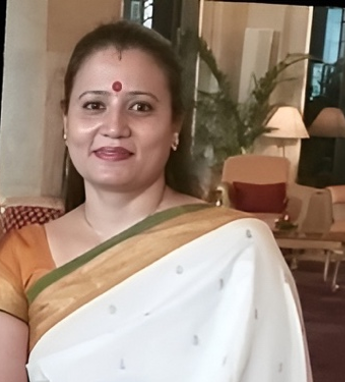
Dr. Chanakya Kumar Jha, Ph.D., is a distinguished academic and administrator with extensive leadership experience in higher education, research, and professional organizations. Currently serving as Director (Planning) at Siddhant Group of Institutions, Pune, and Managing Director at Western Business School, he has held various key positions, including Secretary of the Federation of World Academicians (2021–2022) and Vice Chair of multiple IEEE India Council committees.
With editorial experience as Chief Editor of the Asian Society for Scientific Research and Associate Editor for IEEE Access, Dr. Jha contributes significantly to academic publishing. His research background in Wireless Communication, coupled with active roles in IEEE’s Bombay Section and Region 10, underscores a strong commitment to advancing scientific knowledge and editorial excellence in engineering and management domains.
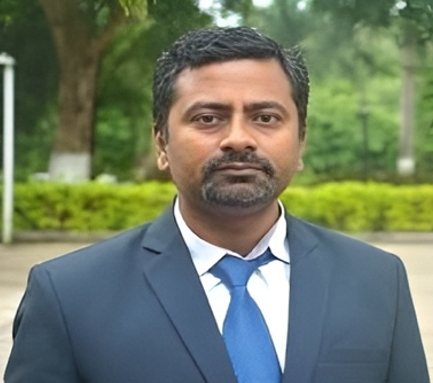
Editorial Board Office:
Address: Kalinga University, Near Mantralaya, Kotni, Atal Nagar-Nava Raipur, Chhattisgarh 492101
Contact No.: +91-9754766411
CONTACT US
• Address: Editor-in-chief, Kalinga University, Near Mantralaya, Kotni, Atal Nagar-Naya Raipur, Chhattisgarh 492101,
• Contact No.: +91-7471125930 ,+91-9303097043
• Submission Email: univista.journal@kalingauniversity.ac.in