Sustainable Initiatives for a Green Campus

Loading
Admissions Closing Soon for 2026-27
Apply NowTo promote sustainability and environmental responsibility, the University is taking various green initiatives and contributing towards various United Nations Sustainable Development Goals (SDGs), particularly SDG 7 (Affordable and Clean Energy), SDG 11 (Sustainable Cities and Communities), SDG 13 (Climate Action), and SDG 15 (Life on Land).
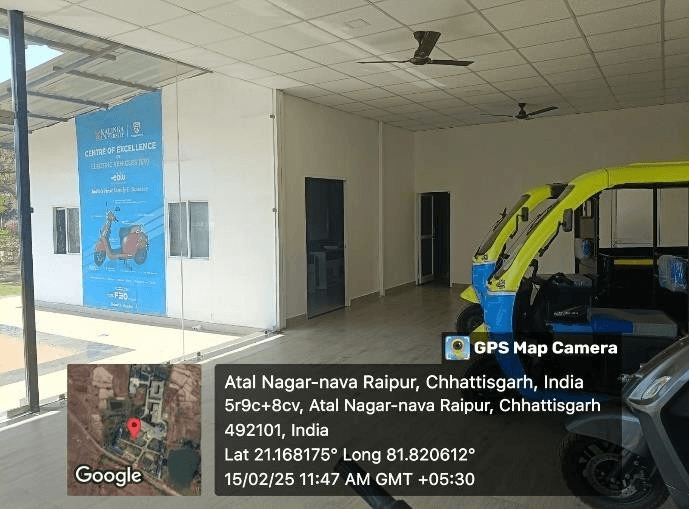
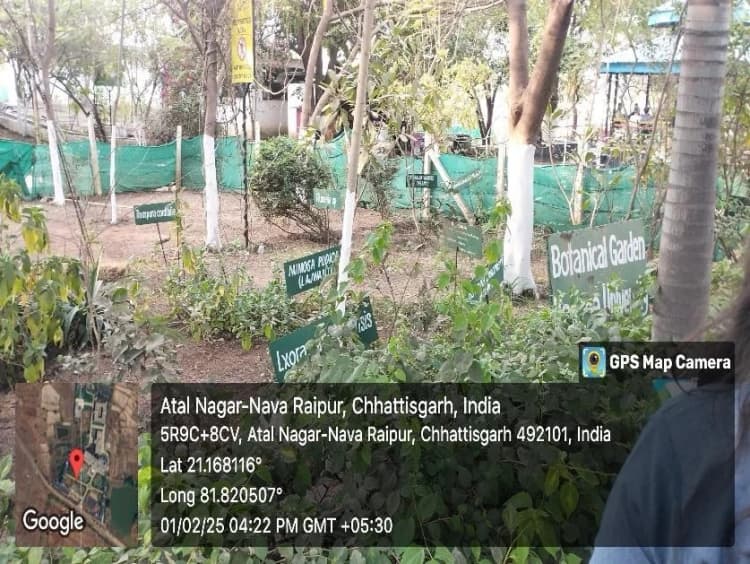
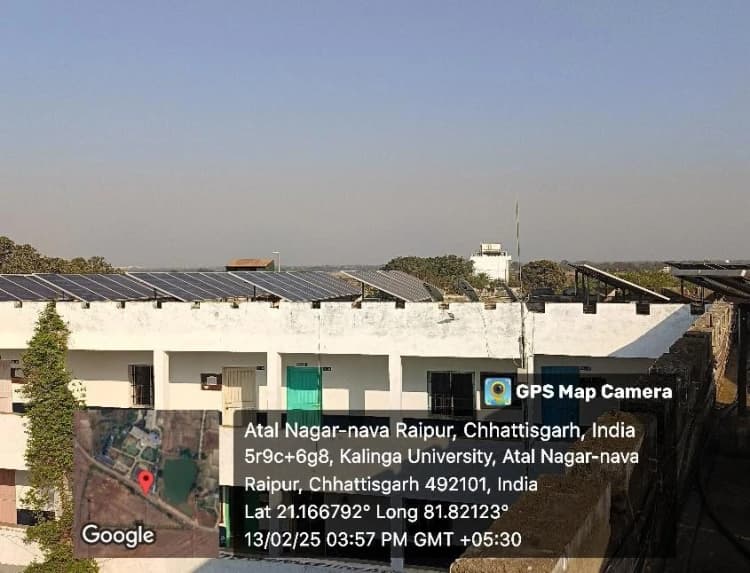
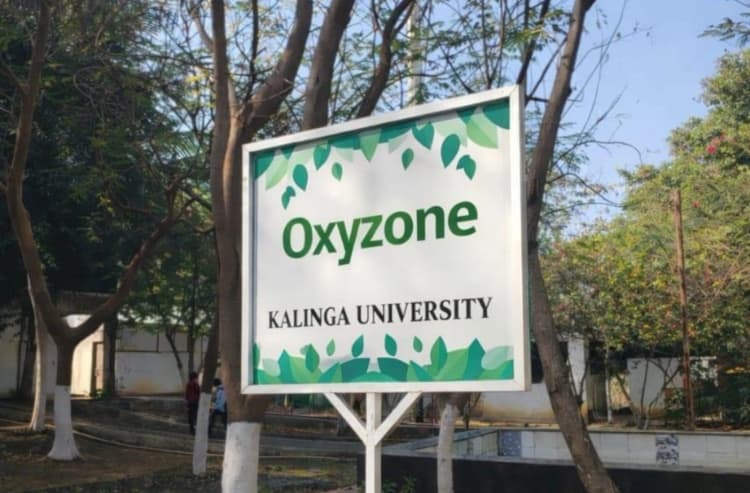
The campus features a green landscape that supports ecological balance and biodiversity, pedestrian-friendly pathways, and the use of sustainable modes of transportation like bicycles and e-vehicles. Solar panels and LED lights installed in different buildings reduce electricity consumption and promote the usage of renewable sources of energy. Various outreach activities, environmental-focused projects, and research initiatives build awareness among students and staff.
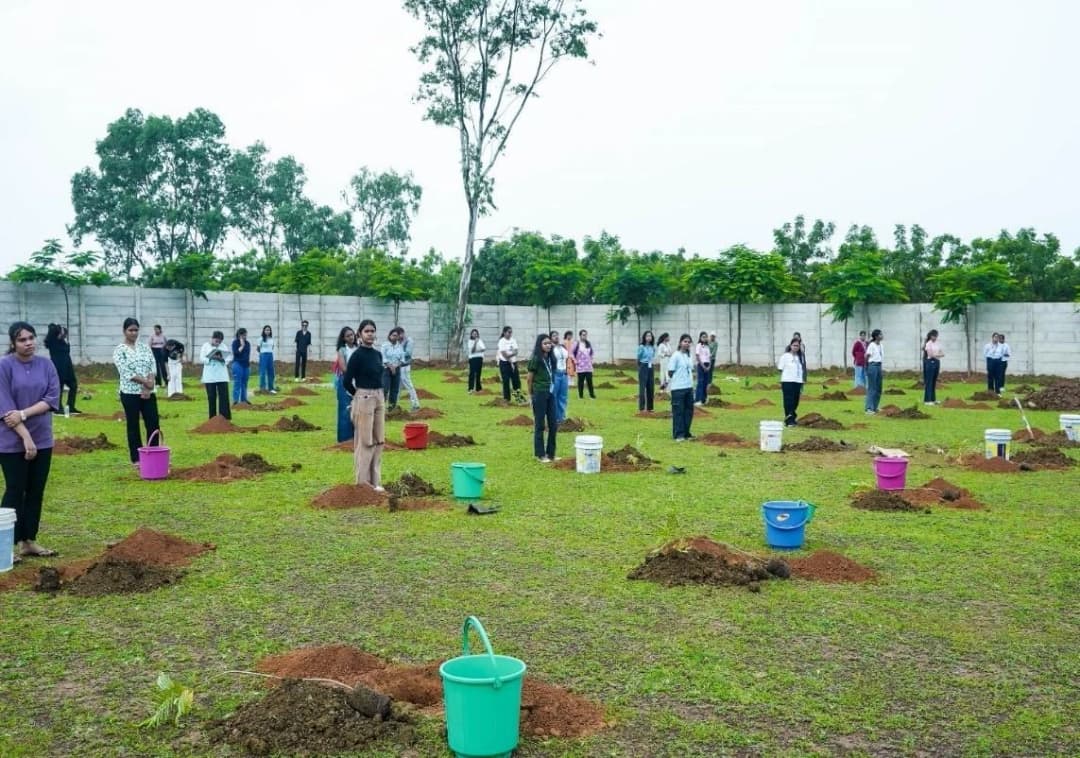
Kalinga University, under its eight schools, has established different clubs to develop a sense of environmental responsibility among students and staff. These clubs conduct hands-on training programs, seminars, workshops, poster making and painting competitions, science model exhibitions, guest lectures, expert talks, and debates on topics related to environmental sustainability and climate action. Students get practical exposure through various educational trips and field visits, and the NSS team organises tree-planting drives and cleanliness campaigns.
As a leading higher education institution, Kalinga University embraces the responsibility of contributing towards the SDGs through its core mission of education, research, and innovation. The university integrates sustainability principles into its academic programs, encouraging students to think critically, act responsibly, and develop solutions for local and global challenges. By promoting community engagement, interdisciplinary learning, and collaborative research, Kalinga University aims to create future-ready leaders who can drive positive change and support the realisation of the Sustainable Development Goals.
It promotes sustainability through a holistic and collaborative approach that includes:

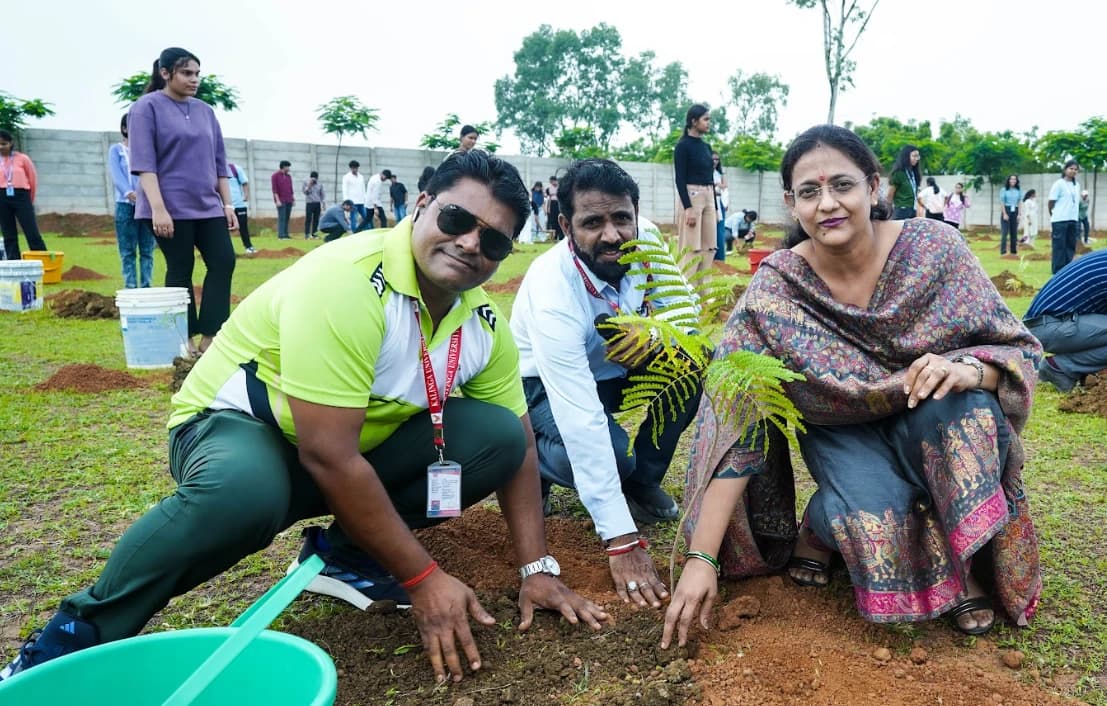
To promote awareness and active participation among students and staff, the University regularly organises:
Through these initiatives, Kalinga University aims to develop responsible citizens, future leaders, and innovators who support a greener and sustainable future.