SDG 10: Reduced Inequalities Report

Loading
Admissions Closing Soon for 2026-27
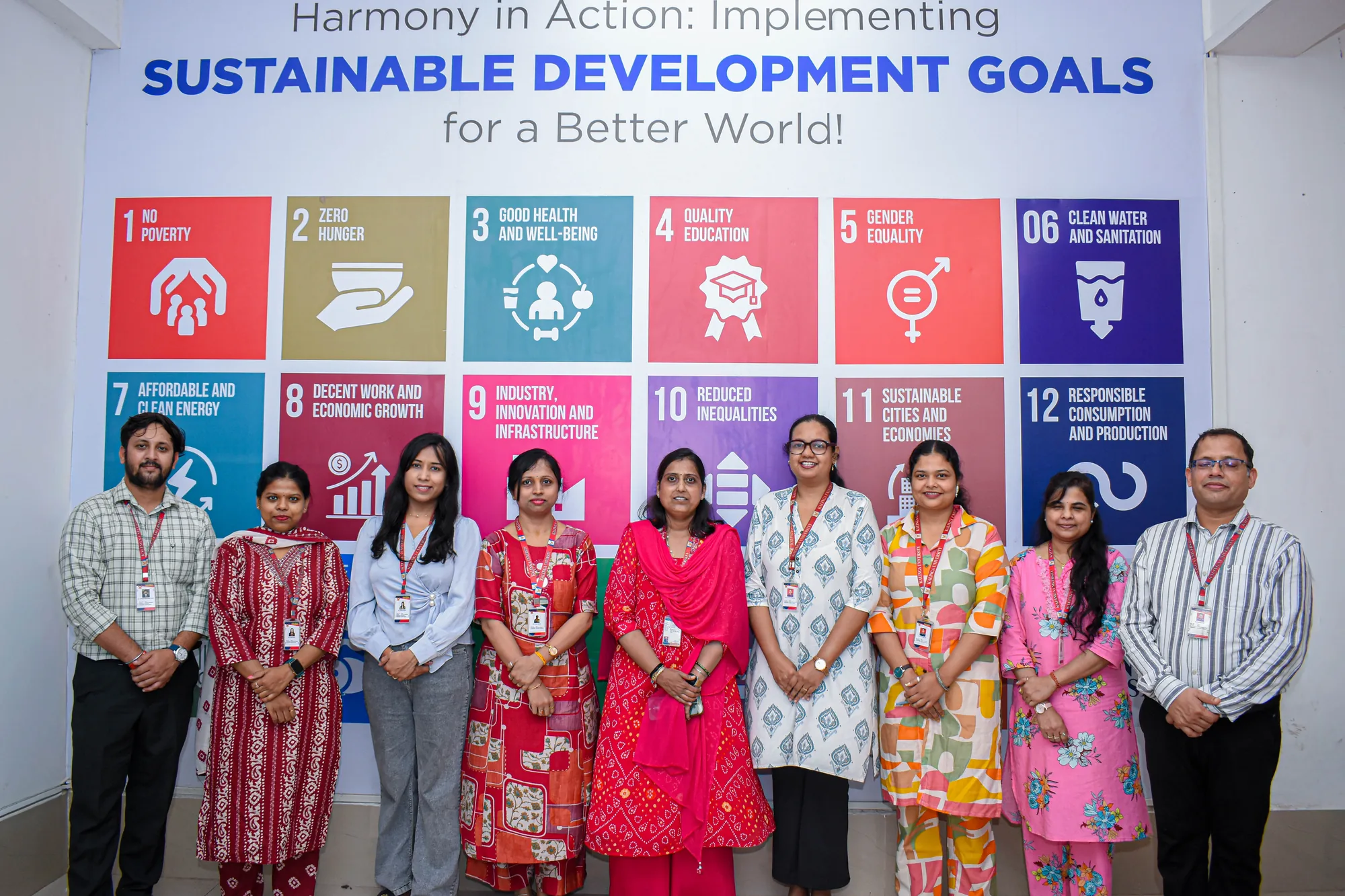
Apply NowKalinga University, Raipur is committed to promoting equality, diversity, inclusion, and social justice in accordance with the United Nations Sustainable Development Goal 10 (Reduced Inequalities). The University believes that quality higher education should be accessible to learners irrespective of gender, caste, religion, disability, socio-economic background, or nationality. During 2025, the University strengthened its commitment by expanding financial support, encouraging inclusive education, promoting diversity, supporting research, and implementing institutional policies that create an equitable academic environment.

SDG 10 Related Publications (2024-25)
Cumulative SDG 10 Related Publications
Citation Count
Field-Weighted Citation Impact (FWCI)
No. of Events
Kalinga University, Raipur has a sizeable international student community, with a large proportion coming from developing countries in Asia and Africa. According to the university, it currently enrolls around 650 international students from more than 33 countries.
The International Students Cell at Kalinga University has been established to streamline the academic processes of our global students, helping them seize the best opportunities and resources of our university. The members of our cell take utmost care of our students from their arrival and admission into our programs to providing support and guidance until they receive their degree.
Kalinga University states that it provides:


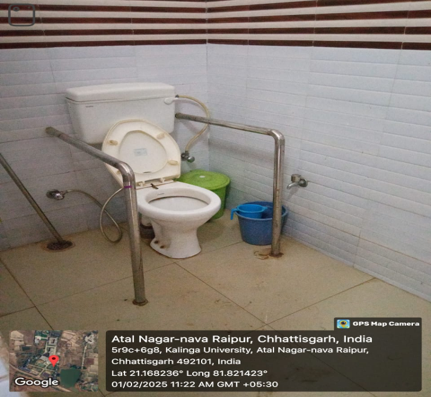
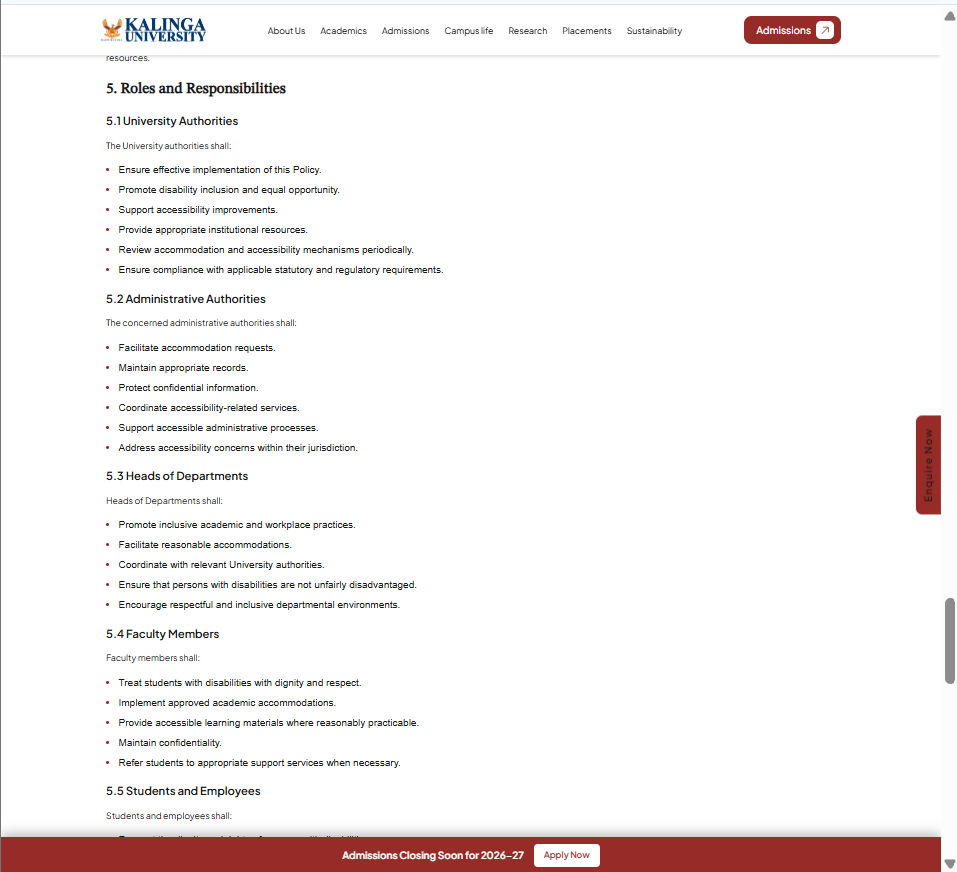
Kalinga University is committed to promoting inclusive and equitable access to higher education for students with disabilities. The University provides a barrier-free campus environment, reasonable accommodations, accessible infrastructure, and student support services in accordance with its Disability-Friendly and Barrier-Free Environment Policy and the Rights of Persons with Disabilities (RPwD) Act, 2016. The proportion of students with disabilities is monitored through institutional records to ensure equal opportunities, facilitate academic participation, and strengthen the University's commitment to diversity, inclusion, and social equity. Kalinga University is committed to creating an inclusive campus that enables students with disabilities to participate fully in academic and campus life.
Table 1: Availability of Accessibility Facilities
| Wheelchair accessibility | 4 |
| Ramps/Elevators | 6/ 2 |
| Accessible washrooms | 345 |


Financial Inclusion and Scholarships
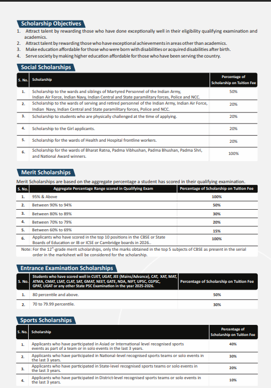
Reducing financial inequality remains one of the University's primary objectives. Kalinga University provides a comprehensive scholarship programme designed to improve access to higher education for meritorious and disadvantaged students. Publicly available information shows scholarships under multiple categories, including Merit, Social, Sports, Entrance Examination, Innovation & Research, Culture & Achievers, Sibling, and other institutional schemes. The University also reports that more than 5,000 students have benefited and that over ₹3 crore in scholarships have been distributed. Kalinga University has signed an MOU with Canara Bank and the Central Bank of India, which are providing financial assistance to our students during admissions




Equal Opportunity in Admissions
The University follows transparent admission procedures and encourages students from diverse socio-economic and geographical backgrounds.
Special emphasis is given to:
These measures improve educational access and reduce barriers to higher education. In line with THE Impact Rankings methodology, Kalinga University should demonstrate institutional mechanisms that promote equity and protect all stakeholders from discrimination.
Equal Opportunity Cell


Internal Complaints Committee (ICC)
Kalinga University in Raipur has established an Internal Complaint Committee (ICC) alongside its Women Cell to prevent sexual harassment and address grievances on campus. The committee is mandated by UGC guidelines to ensure a safe, secure, and equal environment for all students, staff, and faculty members.The ICC comprises key academic and administrative members who handle grievances in a strictly confidential manner.

POSH implementation
The Women's Cell or Sexual Harassment Prevention Committee has been constituted at Kalinga University under the guidelines issued by the UGC, NAAC, and the Supreme Court to consider complaints related to any sexual discrimination or harassment of girls or women within the University.
| EVENT | TOTAL NO. OF PARTICIPATION |
|---|---|
| 1.POSH TRAINING SESSION – CERTIFCATION COURSE 20 HOUR | 205 |


Grievance Redressal Cell
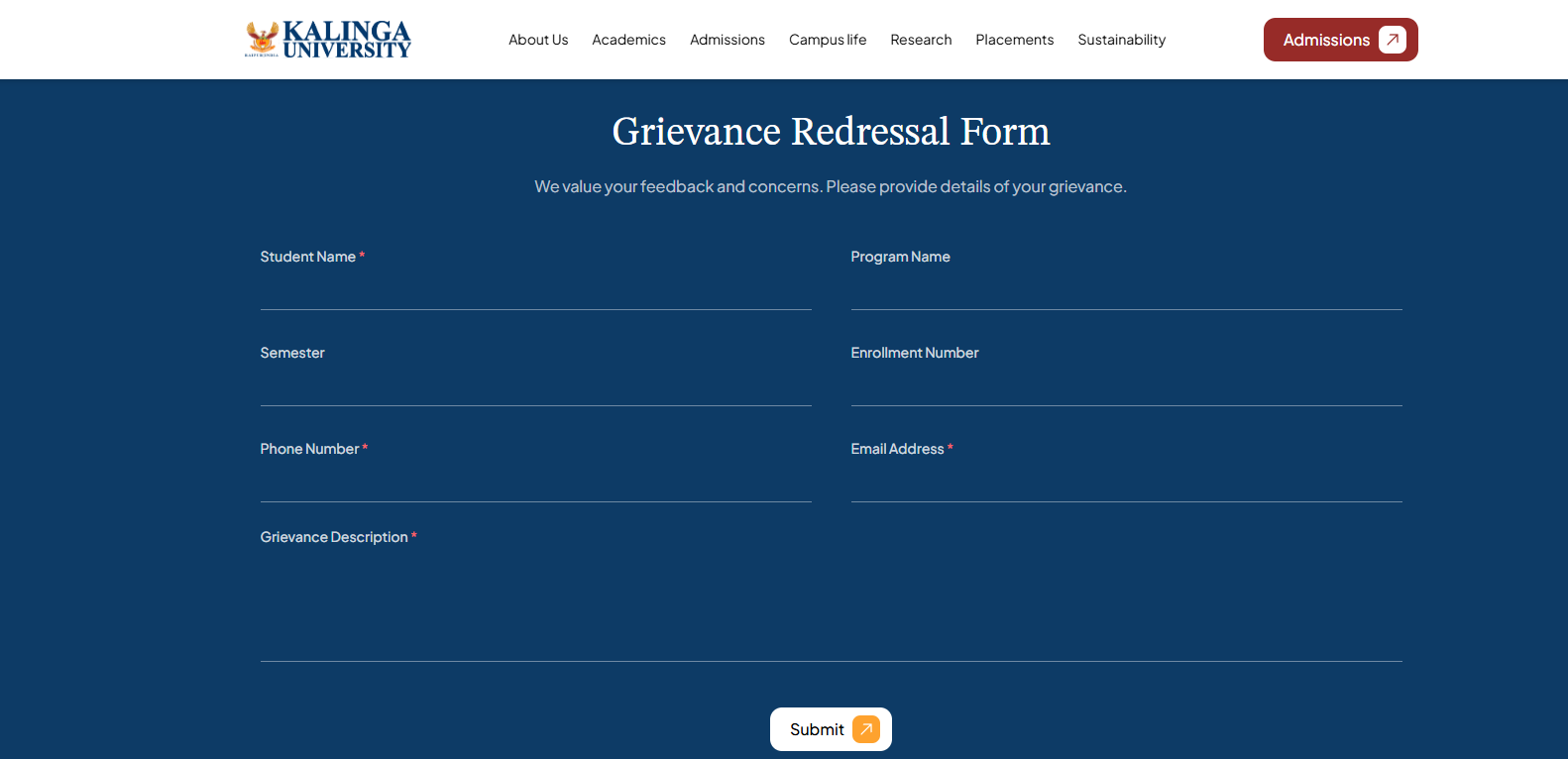
The Grievance Redressal Cell is established at KU as per the UGC guidelines to record the complaints of students and staff members regarding academic, administrative, discrimination, harassment, examination, finance, facilities, and infrastructure-related issues. The dedicated committee members look after the seriousness of the problems and take necessary action.
Student Counselling
Kalinga University prioritises the emotional and mental well-being of its students by supporting them in their academic and personal journey. We believe that in no circumstances should students be pressurised, but we should try to look at situations from their perspective. Our experienced counselling team addresses key challenges that are hindering their overall well-being and meets their emotional needs with utmost care.